New Solomon Scholars Program fosters wisdom and discernment
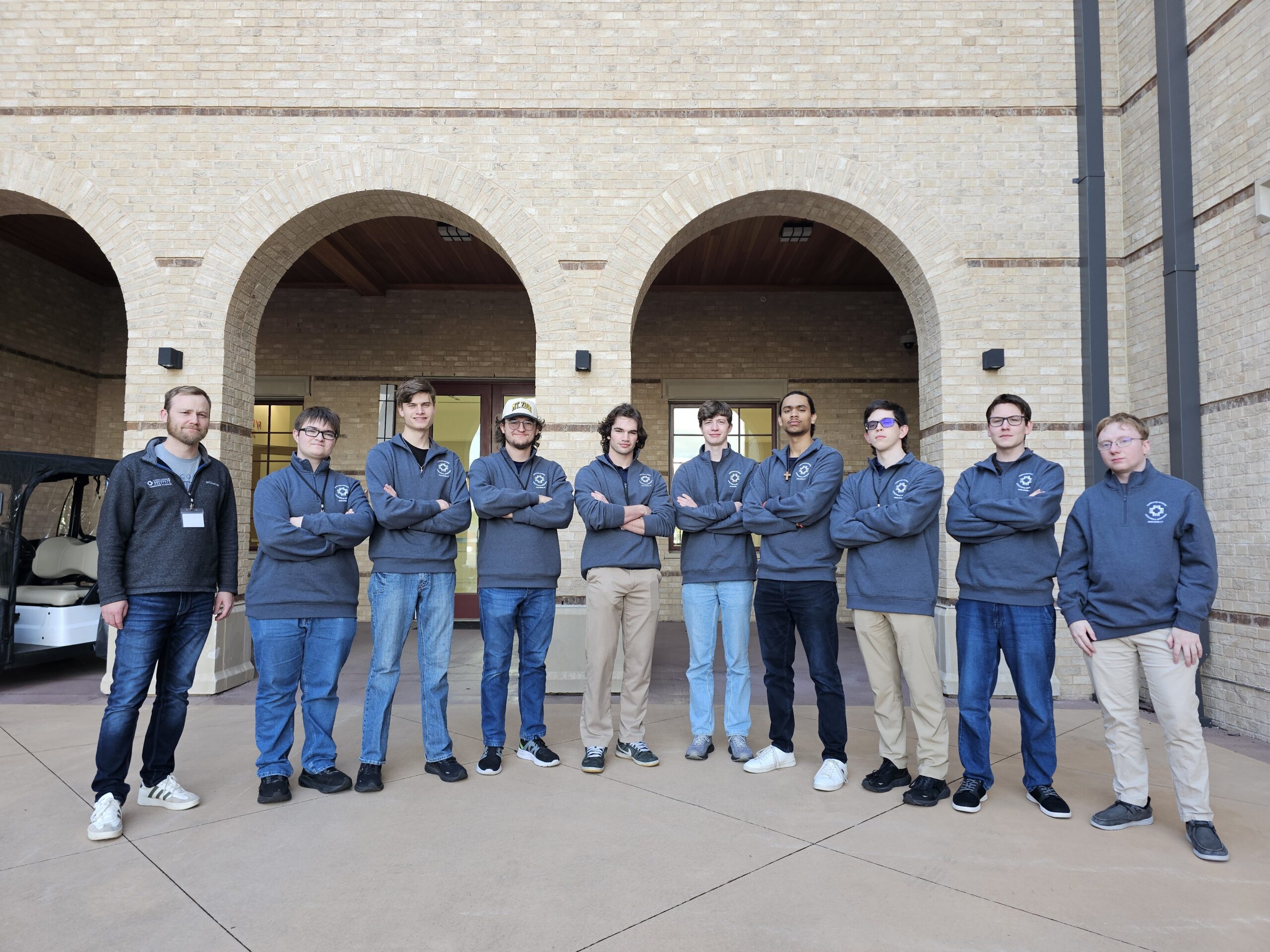
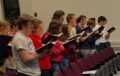
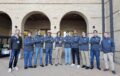
Last year’s programming team at the Consortium for Computing Science in Colleges
Photo submitted by Marcus Gubanyi
By Dylan Buechler
Co-Managing Editor
The new Solomon Scholars program for computer science majors plans to help students practice discernment and wisdom in technological fields and provide mentorship for students in those fields.
Assistant Professor of Computer Science Dr. Marcus Gubanyi wanted to expand the old programming team and provide more opportunities for the students.
“We took a step back and we thought, there’s these scholar programs going on, you know, Uzziah, Micah and Paul,” said Gubanyi, who is also the program director. “Could we kind of mold the programming team and re-change it into something that is more like a scholar community?”
The motivation behind the program is to include wisdom and discernment into today’s technological world.
“Wisdom’s kind of the motivation. And then how do we actually help students in their vocational development around that wisdom and discernment,” Gubanyi said. “That’s what we hope to provide through the Solomon Scholars program, through extracurricular activities, meetings and mentorship as well.”
Programming competitions are still a large part of the program’s activities. Alongside these they hope to do more events around campus, including one about AI.
“We’re hoping to have an AI event on campus, where we’re going to have the Solomon Scholars lead some discussions on what AI is and how can it help you in your learning in college,” Gubanyi said.
Gubanyi also said that the event intends to help students answer questions about when and when not to use AI and discernment education.
Almost every week the group hosts a meeting called “Colloquia”, which all students are invited to attend. Students gather to discuss ideas and developments within the computing world. This ranges from ethics to Bible studies.
They also occasionally having a speaker come to present on a topic related to computing.
Junior Lawson Fairchild has attended these meetings and commented on the content of them.
“There are usually presentations, but they don’t have to be,” said Fairchild. “They can be speeches, they can be presentations, they can be activities. It’s just more often than not, it becomes a presentation about something, some realm in computer science that isn’t getting enough attention.”
Junior Reagan Zierke liked the Colloquia for the opportunity to talk about new topics within the field of technology, even though every meeting might not be in line with his interests.
“The Colloquia are nice because you may not find every topic super interesting but they’re nice because it’s an hour and a half every two weeks and you just get to hear about new topics from someone who’s in the field doing it daily,” Zierke said. “You don’t necessarily have to be a scholar to show up to them. Anyone on campus could show up for them.”
One thing reserved for program students exclusively is the mentorship part of the program. Each student is paired with someone who is in the computing industry. The mentor helps with challenging projects, job applications, internships and any other questions a student might have.
“There are so many things that you could learn from somebody in industry, for instance, most of these mentors are industry professionals, software engineers, data scientists, things like that,” Gubanyi said. “And so just learning about general, like, what do you want to do with your life in computing? That’s helpful. How do you navigate your career and internships? What’s your resume? There’s also technical guidance, and then there’s more general professional guidance that mentors provide for our students.”
Fairchild said this is the biggest benefit of being a Solomon Scholar while he is working on his project of developing a video game.
Chief Information Officer James Jurchen in the IT department serves as Fairchild’s mentor.
“I think this is kind of the big thing about Solomon Scholars,” Fairchild said. “My mentor is Mr. Jurchen in the IT department. I’ve been meeting with him about once a month, and we will talk about how video game design works in general and kind of the direction that I want to take the game that I’m making specifically.”
The Solomon Scholar program is also starting to focus on service opportunities on campus and within the community. Zierke said this is something they are just getting off the ground, but he has hopes for it.
“One of them that we’re doing is some of us are going to go talk to the foundations classes about AI. which will be interesting,” Zierke said. “And another one was maybe helping students or the elderly with technology problems, like how to connect to a printer.”
Fairchild said he enjoys the structure of the program so far, saying that it is formatted better than the programming team and heading in a good direction.
“It’s better than what it was last year. The programming team last year, we rebranded and kind of redid the way we do things,” Fairchild said. “And this year, it’s a lot more organized. We have a heading this year. It’s more interesting and more fun. So, I prefer it.”