75 percent of students opt in to new Textbook Access Program
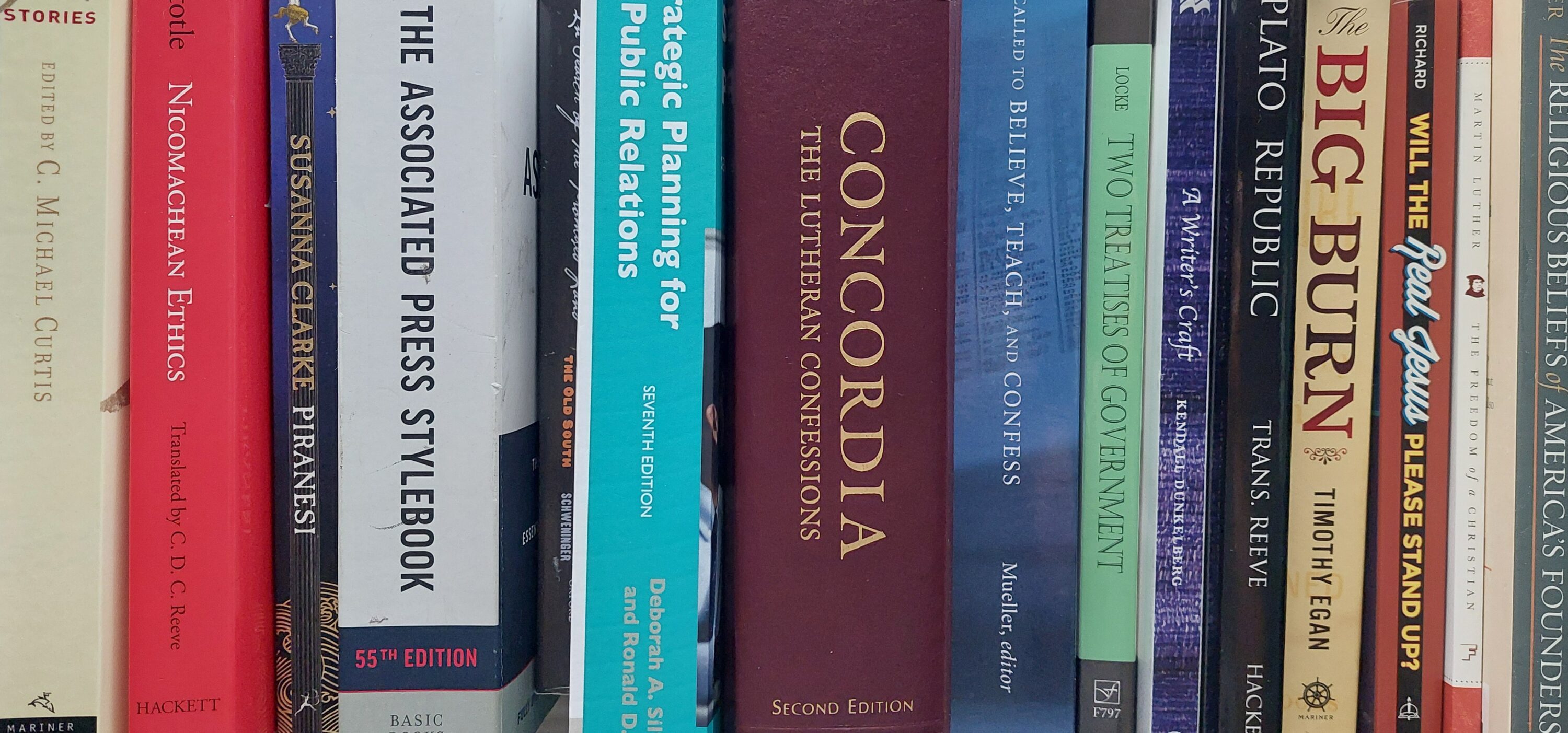
3 out of 4 Concordia students opted in to the new Textbook Access Program this fall, receiving all of their textbooks on the first day of class for a flat-rate fee of $325. The program had both benefits and issues, according to students, staff and faculty.
Photo credit: Nora Betts
By Josiah Horvath and Mi-Ree Zwick
This story is featured in the September print edition of the Sower newspaper.
Concordia data showed three of every four students opted into the new Textbook Access Program, and generally they had positive experiences, though the reactions were mixed.
Chief Operating Officer Kim Boyce led the team that researched alternatives to Follett, the previous bookstore vendor. He said it was expected that 70 percent of students would opt in, but this semester 75 percent of students chose the program.
The Textbook Access Program works to make things easier on students by offering the choice to receive all their textbooks on the first day of classes with a single flat-rate fee of $325 per semester. Students who do not choose to participate must buy their books on their own from another source, such as Amazon.
Freshman Brinkley Sallach said the program helped her be organized and that it was convenient to have “one payment in one place” versus trying to find the books through other means and “maybe not getting them in time.”
Junior Jason Church and senior Nathan Feusse did not research whether it would be cheaper to get the books separately from another source, and they opted in.
“It was convenient,” Feusse said. “Easy.”
Those who chose not to participate did so because they believed it to be less expensive.
Freshman Quincy Cotter, a Concordia athlete, found help through her teammates, who provided the books she needed, and she said that some books were optional or simply not used for the classes she was taking. In the end, she only needed to buy two books, so she opted out.
Junior Addison Reimer opted out.
“I already had a lot of the books I needed,” she said. Her sister, who provided her with the books she needed, had also been in the education program before she graduated last year.
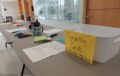
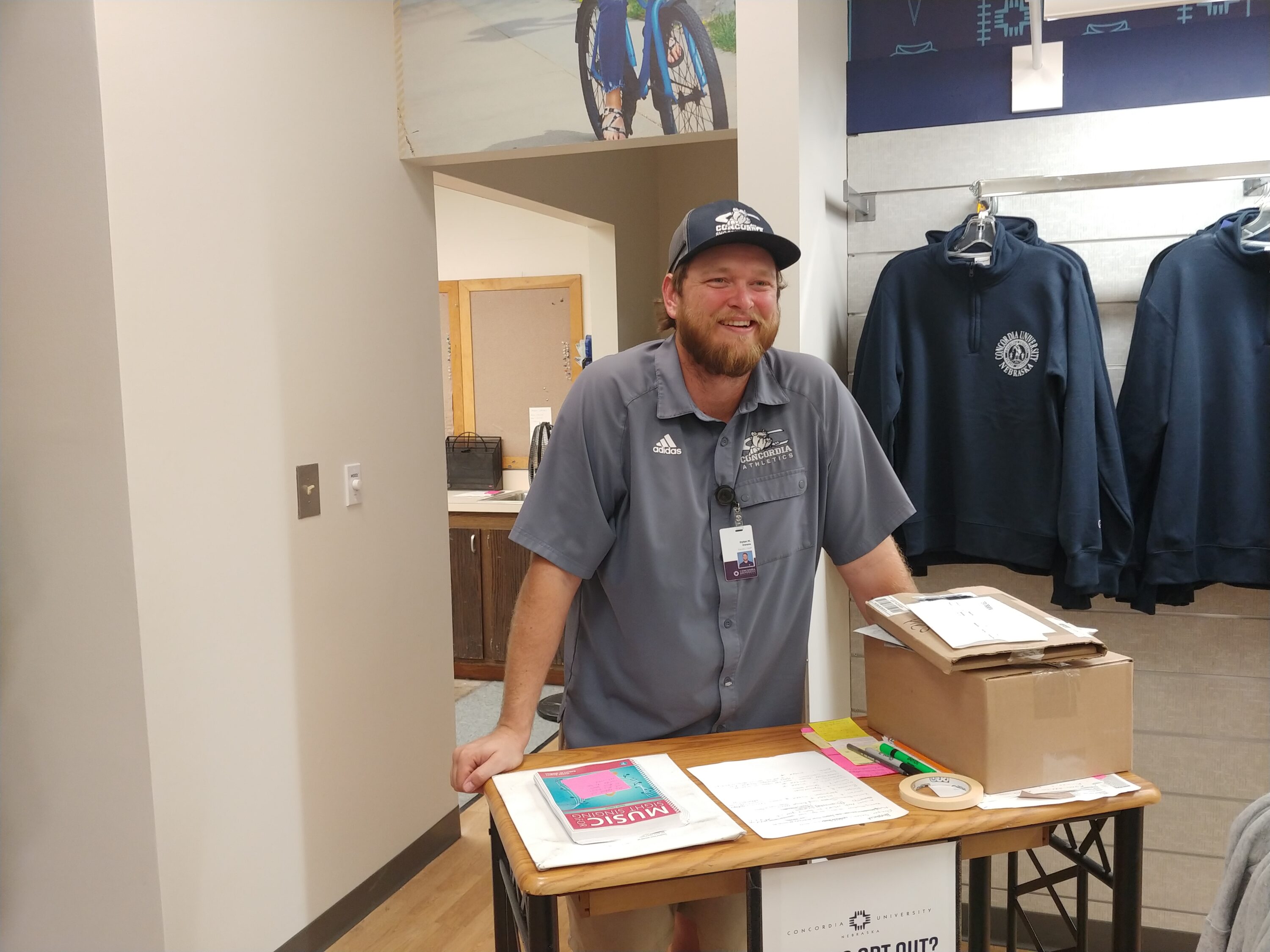
Fan Shop Manager Dylan Owens was primarily involved in implementing the program. This included working with professors to pick out the books and make sure they were available, receiving all of the books, and distributing them to students.
“For the vast majority of people, the textbooks were available the day you came in,” Owens said.
There were three challenges in implementing the program this semester. The first challenge was simply that the system itself was new.
Associate Provost Lisa Ashby helped make sure the faculty understood the process.
“We knew that this would be something where we would encounter problems and difficulties because it’s a brand-new process,” she said. “But we feel that in the long run, we may find that we have better success with VitalSource than we were having with our previous textbook provider.”
The second challenge was miscommunication, which almost all issues came down to, Owens said.
Boyce said that “some courses did not have access to [their] online textbook[s]” because “some professors did not link their book inside Blackboard” and did not know that they had to do so.
To correct this, Boyce plans on creating a “one-page fact sheet” providing instructions for making everything work, plus information on where to find assistance in implementation.
Miscommunication also occurred with VitalSource. Owens said sometimes multiple copies of books were found in the same box, and that sometimes a book wasn’t put in at all.
Whether or not books would be physical or digital was not communicated well to some students, such as sophomore Rebecca Duerr.
Duerr opted in and expected physical copies. “I am a little upset that [they’re] all e-books,” she said. Even so, she enjoyed the screen reading feature offered digitally.
Some students were unaware of what would happen to their textbooks if they opted out. Some of them, including junior Nathan Sollberger, were surprised to learn that even opted out, their textbooks awaited them at the Fan Shop. Having opted out, though, Sollberger did not need to pay for the books or pick them up.
Owens said he has a list of problems occurring this semester and intends to “make sure we have as many things covered coming into spring as possible.”
The third challenge was that not everything was in the control of VitalSource or Concordia.
“The publishers themselves had their own little glitches with the change,” Boyce said.
Ashby noted that more obscure textbooks and textbooks of older editions were sometimes difficult for VitalSource to provide.
The new program also did not account for repeats, such as prerequisites and other classes within a major that use the same required textbooks.
As a student in the pre-seminary program, Church is enrolled in Greek III, so he already had the required textbooks.
“If you’re doing courses that had prereqs, you shouldn’t necessarily be buying those books again,” said Church. “Now I have a couple extra copies of things that I don’t know what to do with.”
Senior Emilee Price, who is in her fifth year, opted out because as a theater major, her classes often reused textbooks from other classes.
“It’s a good idea and concept, but it needs a lot of work,” she said. Price felt the Textbook Access Program should consider what is functional for all programs.
Ashby, Owens and Boyce all have high hopes for the next semester. Boyce said that all of the problems are fixable and that there is a plan in place to ensure the next semester’s success.
“I do think things will be better once we are able to finalize some of those gaps we didn’t foresee,” Owens said. “I’m hoping next semester things will be considerably better.”