
Buildings and Grounds assessment leads to tree removal
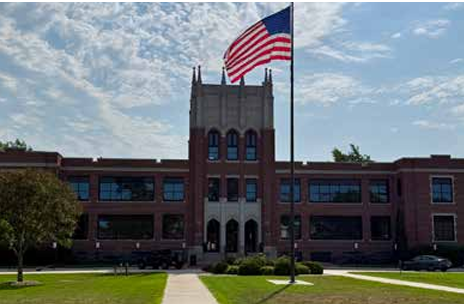
Front of Weller Hall after tree removal.
Photo: Dylan Buechler
By Natalie Guske
This story is featured in the August print edition of the Sower newspaper.
Concordia’s Buildings and Grounds partnered with a forest health specialist from the Nebraska Forest Service for an urban forest health survey, leading to 17 trees being identified for removal because they were no longer healthy or sustainable.
“Through this evaluation, we identified several trees that had reached the end of their life cycle and were no longer viable,” said Director of Facilities Tommy Manning. “We also found trees that had outgrown their planting locations, creating long-term concerns related to space, health and sustainability.”
Manning said he contacted the University of Nebraska-Lincoln Extension Office after several questions were raised about the health of trees on campus. In response, a specialist was sent to assess the well-being of the landscape.
“In addition to evaluating the health and condition of our trees, the specialist provided valuable training for our staff on proper pruning techniques and urban forestry best practices,” Manning said. “This collaboration has given us a better understanding of the current state of our campus canopy and equipped our team with the knowledge needed to promote tree health and sustainability well into the future.”
Among the trees removed were two spruce trees in front of Weller, which were found to have outgrown their original plots. As a part of the landscaping improvements being made, Manning said the Weller spruces will be replaced with eight-foot Fat Albert spruce trees.
“These trees were carefully selected because they are better suited to the space and will maintain an appropriate size and form for the location over the long term, helping to avoid the overcrowding issues experienced with the existing trees,” Manning said.
To cover the cost of replacing the removed trees and to maintain a healthy urban forest, the university has applied for grants through the Trees for Nebraska Towns program and the Greener Towns program, according to Buildings and Grounds.
“We have applied for several grants to support campus landscaping enhancements and the replacement of trees identified for removal,” Manning said. “In addition to tree replacements, these projects will provide opportunities to introduce additional color, diversity, and native plant species that complement our existing landscape and hardscape features.”
While returning students might be sad to see some of their favorite trees gone, Manning said that such decisions are made thoughtfully and with the campus’ environmental future in mind.
“When tree removal is necessary due to health, safety, or sustainability concerns, careful consideration is given to replacement planning,” Manning said. “Our goal is to ensure the continued growth, diversity, and long-term health of the campus urban forest by selecting appropriate species that will thrive for future generations and enhance the beauty of the campus for years to come.”